Showing posts with label Baptism. Show all posts

Friday, September 5, 2014

The Ten Commandments ... And a Few Others


Tithing, Word of Wisdom, Law of Chastity, Praying, Reading... Man, the missionaries sure teach a lot of commandments. Weren't there only supposed to be ten?

Not to worry! We can use the Ten Commandments, and our fingers like Primary Children, to remember them all.

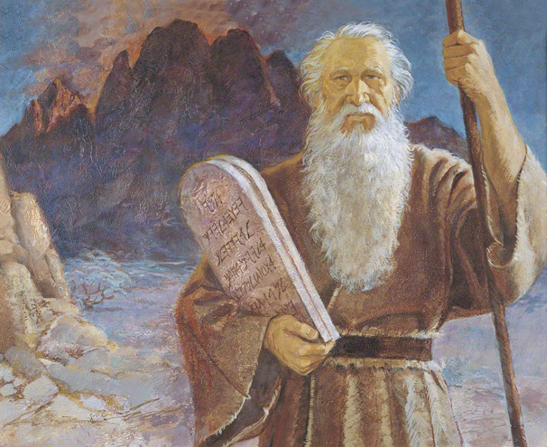
1. No Other Gods
Just the one.
Thou shalt have no other gods before me. -- Exodus 20:3

We are commanded to worship God, our Father in heaven, and no one else. Not our money, not a celebrity, not our jobs. God is our priority. Everything Jesus  Christ did was done to glorify the Father; so it should be for us.


The way we worship god is to pray always to Him. Alma taught, "Counsel with the Lord in all thy doings, and he will direct thee for good; yea, when thou liest down at night lie down unto the Lord, that he may watch over you in your sleep; and when thou risest in the morning let thy heart be full of thanks unto God; and if ye do these things, ye shall be lifted up at the last day."

Friday, December 6, 2013

What is the Difference Between Communion and the Sacrament?

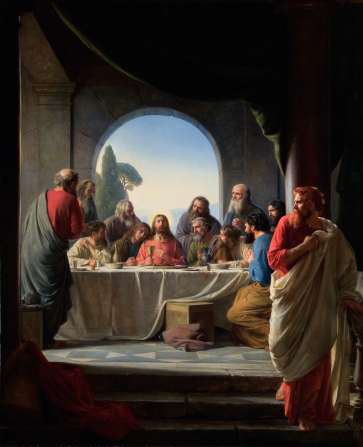
A few things. I want to start with what is similar, though. Just before Christ went to the Garden of Gethsemane to suffer for all of our sins and afflictions, He and His disciples had the Passover feast, which is often called the Last Supper. Here Christ introduced an ordinance to supersede the need of the Passover, which is sometimes called the Lord's Supper. Christ broke and blessed bread, then commanded His disciples to eat it in remembrance of his body that would soon be sacrificed for us all. Then He poured wine, blessed it, and commanded his disciples to drink it in remembrance of His blood that would be shed in great drops for us. This account is found in Matthew, Mark, Luke, and John.


Today, Christians everywhere participate in this sacred ordinance on a regular basis to remember the sacrifice of our Savior and recommit to living righteously. Some call it the Sacrament, like the LDS Church. Others call it Communion, like the Catholic Church. It's called Communion because the participants seek fellowship with Christ.

Now, I am not an expert on any church other than the Church of Jesus Christ of Latter-day Saints. Even then, I'm not what you would consider an expert on the LDS Church. The only Communion service I am even slightly familiar with is that of the Catholic Church. That's because my current companion, Sister Clendon, attended a Catholic High School in New Zealand for five years and I asked her a bunch of questions. This is what I gathered from her and other Catholics I've had the pleasure of meeting.

The emblems of communion are a wafer and wine. The priest blesses the wafer. It is placed on the participant's tongue. The wafer sits on the tongue and dissolves; it's not chewed. The wine seems to be optional, reserved for teachers, older youth, and clergy. They drink from the same cup and wipe the rim with a rag between each person. What really sets Catholics apart is their belief in Transubstantiation: that the wafer and wine become the flesh and blood of Jesus Christ.

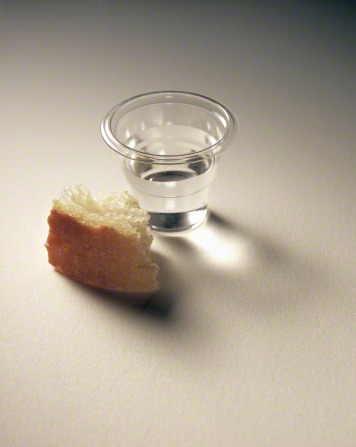
At an LDS Sacrament meeting, the ordinance looks a little different. The emblems are blessed by Aaronic Priesthood holders in the office of a Priest. They can be as young as 16. They bless the Sacrament with the same two prayers each time, one for bread, and one for the water. Then the Deacons, who can be as young as 12, pass the sacrament to each person in the congregation. We use water instead of wine for two reasons given in a revelation to Joseph Smith. First, we were commanded not to drink wine, especially that purchased from the Church's enemies at the time. Second, it doesn't matter what we eat or drink so long as we remember why we're participating in this ordinance. So if someone in the congregation can't have gluten, crackers or gluten-free bread can be used. We believe that the emblems are representations of Christ's body and blood.

The Sacrament is the most important part of coming to church on Sunday. It is when we renew our covenants, especially our baptismal covenant, and helps us remain worthy of the Holy Ghost. It is a commandment to partake of the Sacrament and attend our church meetings. It is so simple, and yet such a powerful symbol in our lives, to always remember the sacrifice of our Savior.
Thursday, October 24, 2013

What about the man in China? Temples and Family History

Pictured: A man in China
In order to enter the Kingdom of God, you have to have faith in Jesus Christ and His Atonement, repent, be baptized by someone holding Priesthood Authority, receive the gift of the Holy Ghost, and endure to the end. That's all fine and dandy if you live in a nation with religious freedom and missionaries that are allowed to knock on your door. But what if you're a poor man in rural China who lived a good life, but died without ever finding out that Jesus Christ exists? Is he damned for eternity? Nope!

In the afterlife, we'll either go to a spirit paradise or spirit prison, which is a lot like a spirit school. Jesus Christ opened the way for missionary work to go on in the spirit world so we can learn about Him even after we've died. So if this man in China would have accepted Christ while he was alive, he can accept Christ after he has died. God is just and fair and gives this opportunity to all His children, no matter where they live.

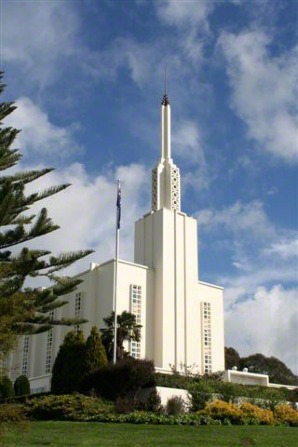
Hamilton New Zealand Temple
However, accepting Christ isn't enough. We have to be baptized and make other covenants in the temple, and these can only be done while we're alive and have a body. That's where we come in. At the temple, we perform saving ordinances for and in behalf of our deceased ancestors. They still have the same personality and their agency to accept or reject the work we've done for them. We can't force anyone, alive or dead, to be a Mormon or a member of Jesus Christ's church. But it's important that they at least have that option.

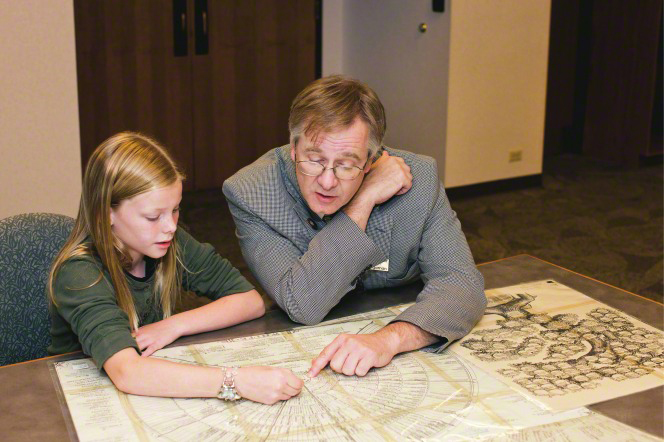
This is why it's so important to do our Family History. You have ancestors waiting to get their temple work done, and they're eager for it to be done before the Millennium -- tomorrow if possible.Get started finding your ancestors so their temple work can be done. So visit your local Family History Center today! Even if you can't get started on your own family history just yet, you can help others do theirs by volunteering to do indexing. Soon, you will feel the Spirit of Elijah working in you!

Family History is Fun!