Showing posts with label Holy Ghost. Show all posts

Friday, August 15, 2014

Prove It

I've been blasted with Anti-Mormon material before. I've read into the arguments of Atheists. I've heard Baptists and Pentecostals and others interpret interesting things out of the Bible. All of it would have me doubt all the claims my church makes and think that they're all unsubstantiated.

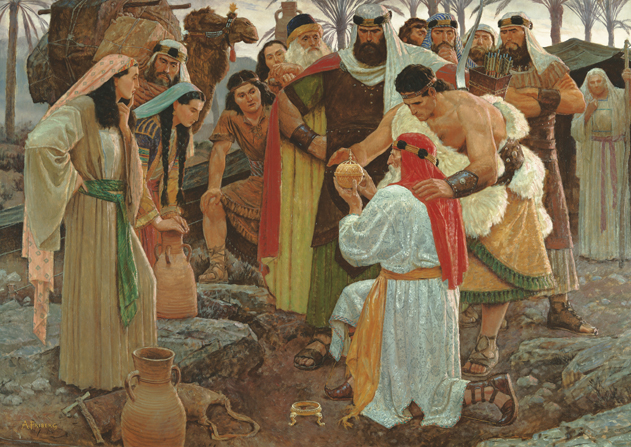
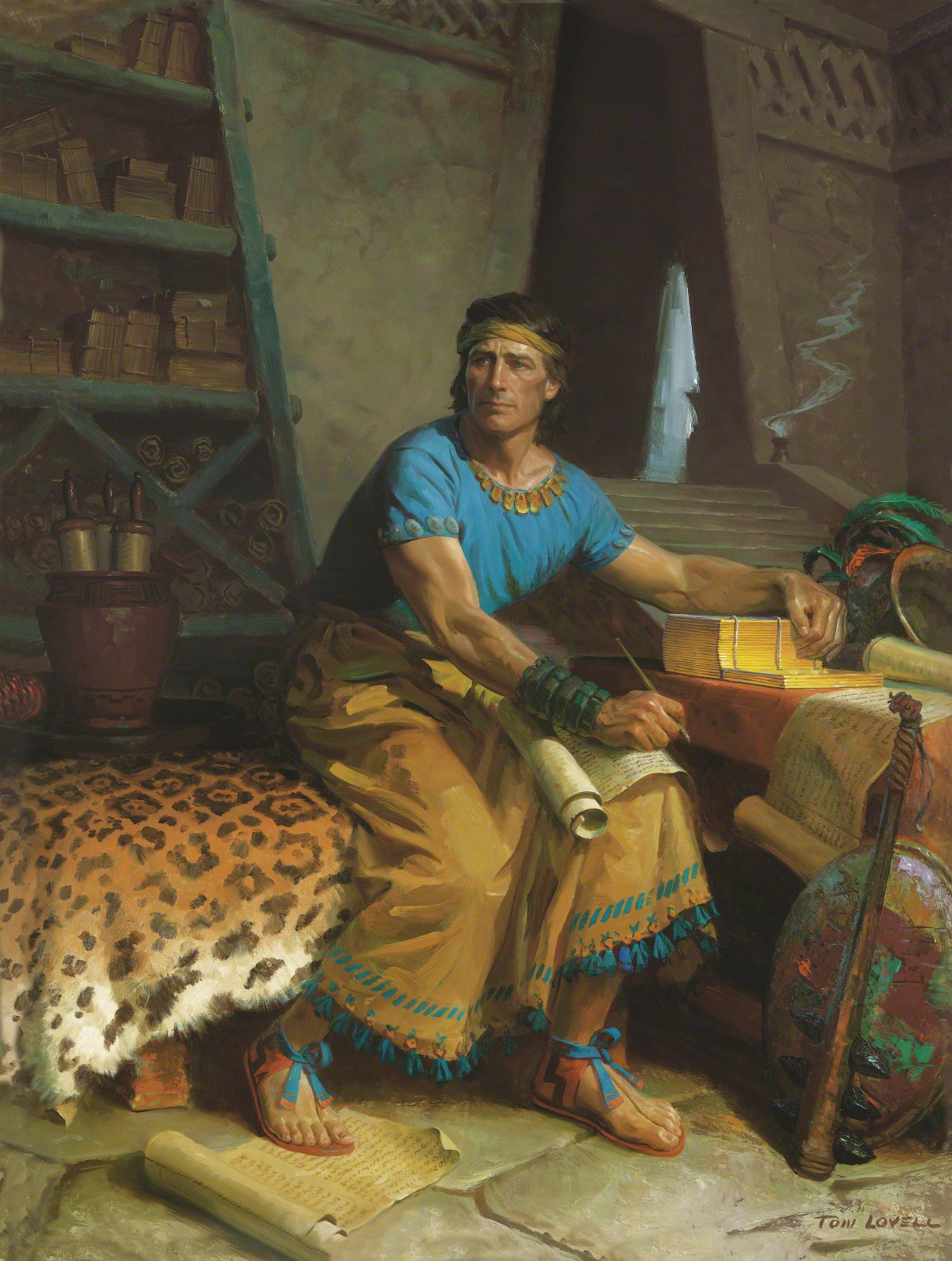
I'm human. I've let the doubts creep in. I've also had to forcibly banish the doubts away. Satan tries to twist the things I know most often when I read the Book of Mormon. I'll come across something like 1 Nephi 1:3
"And I know that the record which I make is true..."
"I summarized 1,000 years of history,
and it is true."
"Well of course Joseph Smith would put that in if he was trying to convince everyone that the Book of Mormon is true," Satan says.

Not wanting to let that sit, I argue back, "Well Nephi being a prophet and knowing we would doubt his record obviously felt the need to testify that his own words were true."

"That doesn't prove it true."

"That doesn't prove it false either."

And so these statements of prophets testifying of the Book of Mormon's validity sat funny in my head. I set them aside and moved on, as you do with things you don't understand yet.

Friday, August 1, 2014

Nobody Cares How Much You Know...


For three years in High School, I participated in the Debate Team. I loved it. Does that mean I argued with bunches of people? No, I'm terrible at it. I did Impromptu speeches, Orations, Storytelling, and Prose/Poetry readings. I basically talked a lot when I went to tournaments. I chickened out of actually debating with anyone, and I admired my teammates who could. I had a lot of fun and learned a lot about public speaking.

I may be biased because I spent three years surrounded by arguments, but I believe arguing is good for you.

Now, I know the word Argument has negative connotations. In order to keep everyone happy, many people avoid arguments and disagreements. I know from experience that arguments, if you understand what they are, can leave participants feeling satisfied, educated, and enlightened.

So, if you want to talk to someone about your two differing opinions, you have three options.

Argument

In an argument, both parties present their opinions and their reasoning for believing it and evidence for it. They also have an opportunity to ask critical questions about their opponent's stance and evidence, as well as time to defend themselves and respond to questions. Both parties have to come into an argument knowing the terms and conditions of this discussion, and end it without holding grudges or wanting to have the last say.

Fight

A fight is very different from an argument. A fight often happens unexpectedly or occurs when an argument's rules are violated. The tone and atmosphere is dark, negative, angry, defensive, and rushed. Instead of presenting evidence or asking fact based questions, participants attack the other side, the opponent's character, and the opponent's intelligence. It's about winning at all costs, even if that means they attack something that isn't the topic up for debate.

See. It's a table. (Visual pun!)
Discussion

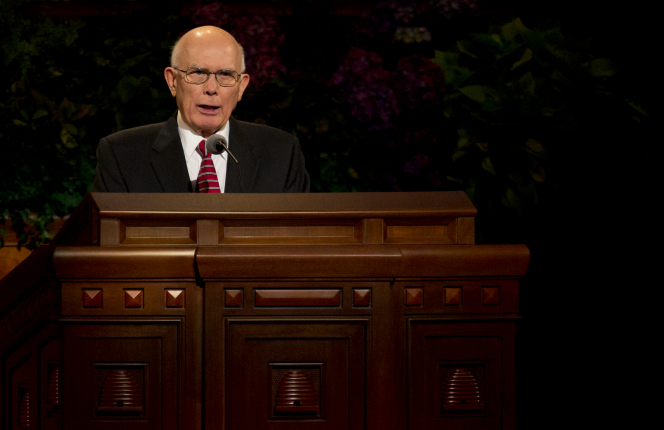
But there is a third option. In a discussion, participants bring their opinions and ideas to the table, present them in a calm and fair atmosphere, and occasionally swallow their need to be right in order to listen to the other. Elder Zwick spoke about these kinds of communications. "The writer of Proverbs counsels, "A soft answer turneth away wrath: but grievous words stir up anger" (Proverbs 15:1). A "soft answer" consists of a reasoned response--disciplined words from a humble heart. It does not mean we never speak directly or that we compromise doctrinal truth. Words that may be firm in information can be soft in spirit."

My rule of thumb is religions are discussed, politicians have arguments, and the internet is for fights and flame wars. And blogs.

It is okay to have an argument, but it is a skill to hold yourself back while simultaneously defending your position. Jeffrey R. Holland said, "Defend your beliefs with courtesy and with compassion, but
defend them." We should not be afraid to bring up our beliefs in discussions and conversations because we have the skills and knowledge to present and convince others of them. We also have the Spirit on our side to help us keep an atmosphere of peace and love for others. More than anything, have charity for those you speak to, no matter who they are; no one will care how much you know if they don't know how much you care.

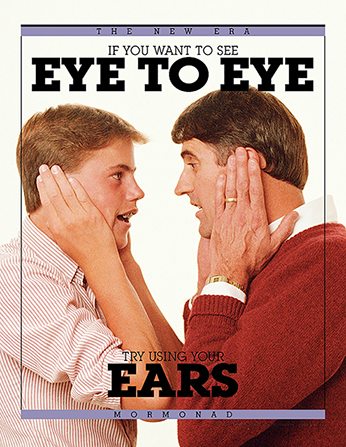
For further tips on discussing your beliefs, read this article from The New Era.

Remember: Sometimes there is a place for silence. Even Jesus held His tongue when He knew there was no purpose in speaking.
Monday, June 30, 2014

Adam West-ing the Scriptures

It's statistically proven that cats
are not trying to kill you.
(Study done by Felines Forever.)
There is a saying along the lines of, "You can find a statistic to prove anything." Statisticians would tell you, "There's a bad statistic to prove anything." Because with some bias and enough bad math, anything is possible.

We have something similar in the gospel. Prophets call it, "Wresting the Scriptures." I, personally, call it, "Adam West-ing the Scriptures." Let me explain.

Adam West played Batman in the 1960's television show of the same name, as well as on the cartoon Superfriends. He was so well known as Batman that he nearly became typecast. My favorite episode of Batman the Animated Series featured Adam West voicing an old actor who played the Gray Ghost. Watch it sometime. It makes my heart melt. Nowadays he voices the kooky Mayor Adam West on Family Guy. Don't watch that one.

Anyway... The episodes of Batman where the Riddler was the villain of the week, Batman would be presented with a riddle such as:

The Cat Sat on the Mat. Where am I?

Wednesday, February 26, 2014

Plugged In


One of the hardest things I did in coming on my mission was to wind up my Batman earbuds, turn off my Zune (an mp3 player), and put away secular music for 18 months. I had never been a fan of the depressing Mormon music played on the radio in Salt Lake City on Sundays, or of copious amounts of choirs singing hymns. I could only handle MoTab for so long.

I am now 11 months into this music fast. I could say that I've survived on the most meager of music meals, but I haven't. I discovered that there are some Mormons that can write good music, sing, and leave me feeling spiritually uplifted. It's more like a music feast now, but with smaller portion sizes.

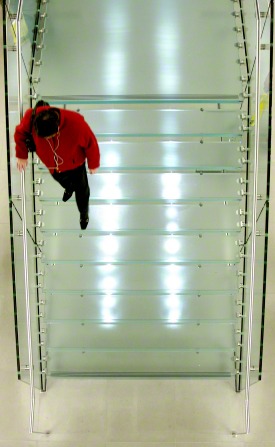
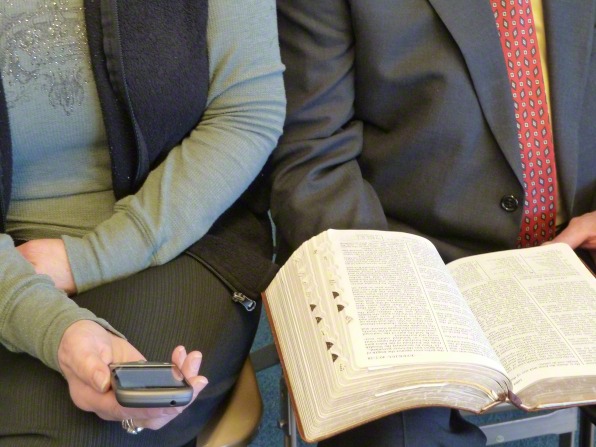
Okay, before I ruin the metaphor, I would like you to think about the regular people you see every day, such as this man to the left. I can picture myself at the University of Utah in the Student Union with hundreds of students, in red, walking by in their own little worlds. Plugged into their smartphones, iPods, and ignore-the-world devices. These devices aren't evil, according to Elder Bednar. We can use them for good when we use them in moderation. These things are fun, but they can saturate and isolate.

Let's start with Saturate. Depending on what the media is that the person consumes, this could help or harm them. For instance, I found that I listened to not Good music on my Zune constantly. And when your music doesn't fall under Good, Better, or Best, it will bring you down. But when all I've listened to is uplifting music, I have a brighter, more peaceful spirit. This really matters because we're supposed to be living so that the Spirit can be with us. So pick good music to saturate yourself with.

Another danger I put myself in was isolation. In filling my world with noise, I put myself into a different kind of silence. One where I missed out on socialization, interaction with my fellow man, and opportunities to serve others. We came to this world to develop relationships with others, and we can't do that when we ignore them. I now realize why I had so few friends once I became addicted to my Zune; I didn't bother to make them.

Oftentimes, when we feel drained or heavy because of the world, we need to make adjustments to little things. For me, my music choices had to change. I have a lot of artists to pick from, and I don't have to sacrifice my taste in music. The words songwriters use can make all the difference. And now that I've had a chance to sift through some Mormon music artists, I can honestly tell you that Mindy Gledhill and Lindsey Stirling are the bomb and that MoTab is the greatest thing ever since sliced cheese.

Doctrine and Covenants 121:45 "Let thy bowels also be full of charity towards all men, and to the household of faith, and let virtue garnish thy thoughts unceasingly; then shall thy confidence wax strong in the presence of God; and the doctrine of the priesthood shall distil upon thy soul as the dews from heaven."

Friday, February 14, 2014

I'm not an academic sort of person. How do I study the scriptures?

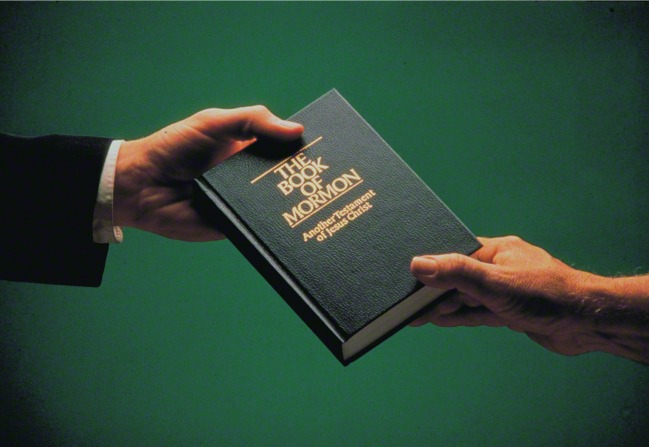
Why don't we start a study session and work on this together? First we're going to need some materials. A Book of Mormon to start with.
Ah! Thank you!
Now we need a study journal.

This will do.
Let's get a clock as well.

I don't think Mom will mind if I borrow this.
And finally, a Spiritual Enlightenment Enhancement Device. It works best with the pointy end down.

Ooh! Let's pick the red one.
Okay. So. Let's set the clock for thirty minutes. If you don't have as much time, you can set it for 15 minutes. If you have loads of time, an hour could work. It's whatever fits with your schedule. And you do have to schedule it in. Pick a time in the day that will give you the best opportunity to learn. Why do we set a time limit rather than a chapter limit? you may ask. The Book of Mormon isn't a chapter book or a history textbook in the normal sense. We want to be led by the Spirit in what we study.

Speaking of, we need to start with a prayer too. Gotta invite the Holy Ghost.

We open our Book of Mormon, get out our journal, and have our colored pencil at the ready. Now we have two options: Study by the chapter, or study by the topic.

Study by Chapter
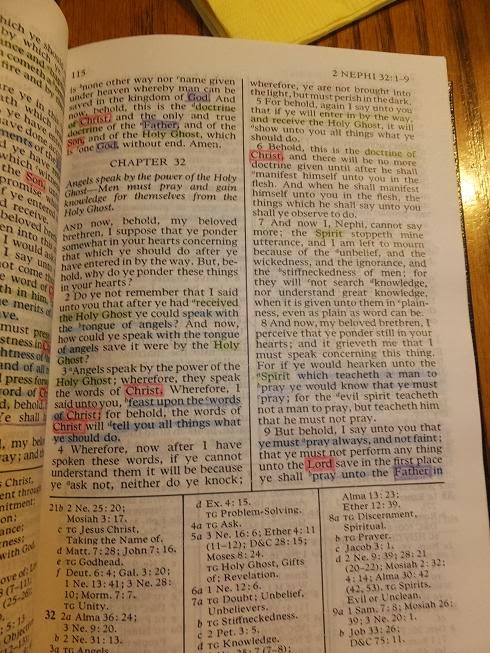
So you're OCD like me and would rather read in order, eh? That's cool. I like getting the full picture and being surprised by what I end up learning. I'm on 2 Nephi 32.
I may have gotten ahead of myself. SO MANY COLORS!!!!
As you read, underline or shade any words, phrases, or verses that you like or that stand out to you. There is no wrong way to highlight your scriptures. I use different colors to mean different things. You can start with just red and work your way up. Like, verse 3 is awesome. And verses 8 and 9 have some parts that make me want to pray more.

Study by Topic
Maybe you're feeling like Heavenly Father wants you to study a certain topic, like Humility. The Index has bunches of scriptures on that!
See?
Ether 12:27 looks good. Or how about Mosiah 3:19? I wonder what Alma 5:27 says? And if we look up pride, we can learn more about the opposite of humility and what not to do.

Now let's get a pen and put that blank paper to work. I guess you could use your pencil too. Maybe you can write down how Satan doesn't want you to pray, but Heavenly Father wants you to pray always. Or if you're studying about humility, write about how God has given us weaknesses to keep us humble, but that doesn't mean we're doomed to be weak.

Keep writing. Keep reading. Sometimes you'll read more than you write. Sometimes you'll write down more than you thought you read, and then some more. That's why we need to have the Spirit with us.

Our time is up, and you can get back to work. Now go about your day feeling far more refreshed and spiritually strong!

Sunday, January 19, 2014

What is a Liahona, and How Do I Use It?

The Liahona is a round ball of curious workmanship made of fine brass. It has two spindles that give direction to the reader. It can take one safely across a treacherous wilderness, towards sources of food, and across a raging ocean. Like a compass it gives direction, but with two major exceptions. First, it points to food and shelter, not just to the north. Second, it runs on faith and diligence or obedience. It can often be found outside of tent doors. And by often, I mean just once in recorded history.
Recalculating...
Lehi found the Liahona outside his tent on the ground one morning just before he and his family began on their trek through the wilderness to the promised land. For the next eight years, the Lehites followed a tool of divine inspiration to keep them alive. God didn't give them a map; He gave them a compass that led them day by day. When Lehi and his family lived righteously, it guided them through the more fertile parts of the wilderness. When they didn't and murmured and complained, such as when Nephi's bow broke or Laman and Lemuel's mutinied on board the boat, it stopped giving directions.

Also notable about the Liahona was the writing that would appear on it. The writing changed from time to time, chastened Lehi when he wasn't obedient, and gave them understanding concerning the word of the Lord. Nephi called this one of the small and simple ways the Lord works to bring about great things.

Saturday, December 14, 2013

Why do we need Prophets and Scriptures if we can just Pray?

I guess because Heavenly Father would rather not repeat Himself if He can help it.

Us missionaries have this term for the three basic things you have to do regularly to stay steady and on track. They're also the three basic sources of revelation: CPR, or Go to CHURCH, PRAY, and READ the Scriptures. They're all commandments from God, given to us to enrich and bless our lives.

CHURCH

Mosiah 4:1-3, an entire people become converted during General Conference, Book of Mormon style.

Before you head off to church on Sunday, grab a notebook and have a question in your heart. A Spirit-filled service where other members have come to be edified is the perfect place to listen to those quiet promptings. As you listen to what the speakers and teachers have prayerfully and thoughtfully prepared, something they say may stick out to you or bring up a memory. Write it down. Record the thoughts that come into your mind.

Coming to church is a fantastic opportunity to listen to things that have been revealed through Modern Revelation. This could mean words spoken by the Prophet and his Apostles in General Conference, but it could also be as simple as a Bishop extending a calling or asking the ward to work on a particular aspect of the Gospel.

Even then, we don't just blindly accept everything we're told. We have to take it all and Pray about it...

PRAY

Alma 37:35-37, Counsel with the Lord, and He will direct thee for good.

Imagine that you've been given 15 minutes to talk to the Prophet. Before you go, are you going to prepare some questions to ask him? Or are you just going to wing it? I know I would try to think of some things to ask President Monson ahead of time because if I didn't, we'd just chat for a bit and I'd have wasted his time.

When we pray, we're talking to the Supreme Creator of the Universe, and he wants to hear from us. It should be a sacred experience, not five minutes where we ramble on because we know we have to. Bring a notebook to your closet. In a conversation, two people speak. Record what God tells you through the Holy Ghost. They could be random thoughts that come into your head, or an impression to open your scriptures.

Then, compare what you've been told to what has been written in the scriptures...

READ

1 Nephi 19:22-23, Liken all scriptures to yourself.

There's a saying that we talk to God by praying, but if we want him to talk back to us, we read the scriptures. One time, I really needed some sort of direction with how to act. I struggled to figure out how to work with this one person in my life, and I didn't have the option to run. I went into my closet and prayed for help. Then I opened the scriptures up. One was on forgiving others until seventy times seven. The other was on teaching by example. These two verses helped me know exactly how I needed to approach this situation, and I found them exactly when Heavenly Father wanted me to read them.

Al Carraway shared one way she received revelation by reading Ether. Clayton Christensen teaches us to Pray, Read, Write, Pray. Revelation from the scriptures comes from interacting with them. And sometimes we need to discuss the scriptures with our church leaders to understand them...

Church, Pray, Read. It's how we Endure to the End.


I know that doing these three basic things will help us stand firmly and on a sure foundation when the winds and tempests of trials and temptations beset us. I've seen it in my own life. When I wasn't praying everyday or reading my scriptures, I was drowning in the world and I didn't even realize it. Then I went on a mission. Suddenly, I was praying constantly and reading daily. I had never stopped going to church, but now it's never been so meaningful to take the sacrament and listen to the speakers and lessons. My testimony has never been so strong, and I'm looking forward to maintaining it at home where things will be different.

Friday, December 6, 2013

What is the Difference Between Communion and the Sacrament?

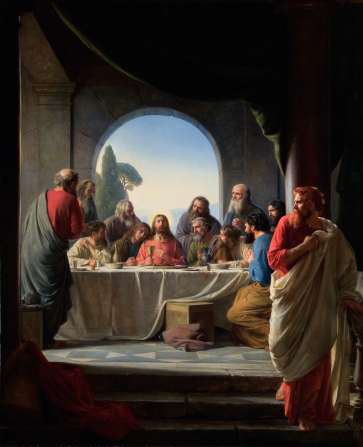
A few things. I want to start with what is similar, though. Just before Christ went to the Garden of Gethsemane to suffer for all of our sins and afflictions, He and His disciples had the Passover feast, which is often called the Last Supper. Here Christ introduced an ordinance to supersede the need of the Passover, which is sometimes called the Lord's Supper. Christ broke and blessed bread, then commanded His disciples to eat it in remembrance of his body that would soon be sacrificed for us all. Then He poured wine, blessed it, and commanded his disciples to drink it in remembrance of His blood that would be shed in great drops for us. This account is found in Matthew, Mark, Luke, and John.


Today, Christians everywhere participate in this sacred ordinance on a regular basis to remember the sacrifice of our Savior and recommit to living righteously. Some call it the Sacrament, like the LDS Church. Others call it Communion, like the Catholic Church. It's called Communion because the participants seek fellowship with Christ.

Now, I am not an expert on any church other than the Church of Jesus Christ of Latter-day Saints. Even then, I'm not what you would consider an expert on the LDS Church. The only Communion service I am even slightly familiar with is that of the Catholic Church. That's because my current companion, Sister Clendon, attended a Catholic High School in New Zealand for five years and I asked her a bunch of questions. This is what I gathered from her and other Catholics I've had the pleasure of meeting.

The emblems of communion are a wafer and wine. The priest blesses the wafer. It is placed on the participant's tongue. The wafer sits on the tongue and dissolves; it's not chewed. The wine seems to be optional, reserved for teachers, older youth, and clergy. They drink from the same cup and wipe the rim with a rag between each person. What really sets Catholics apart is their belief in Transubstantiation: that the wafer and wine become the flesh and blood of Jesus Christ.

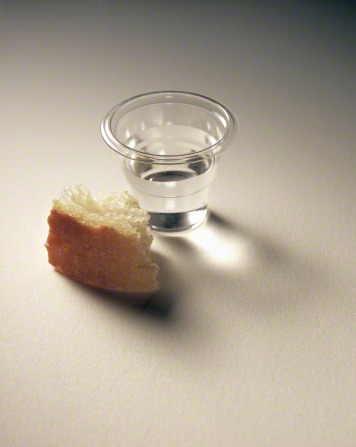
At an LDS Sacrament meeting, the ordinance looks a little different. The emblems are blessed by Aaronic Priesthood holders in the office of a Priest. They can be as young as 16. They bless the Sacrament with the same two prayers each time, one for bread, and one for the water. Then the Deacons, who can be as young as 12, pass the sacrament to each person in the congregation. We use water instead of wine for two reasons given in a revelation to Joseph Smith. First, we were commanded not to drink wine, especially that purchased from the Church's enemies at the time. Second, it doesn't matter what we eat or drink so long as we remember why we're participating in this ordinance. So if someone in the congregation can't have gluten, crackers or gluten-free bread can be used. We believe that the emblems are representations of Christ's body and blood.

The Sacrament is the most important part of coming to church on Sunday. It is when we renew our covenants, especially our baptismal covenant, and helps us remain worthy of the Holy Ghost. It is a commandment to partake of the Sacrament and attend our church meetings. It is so simple, and yet such a powerful symbol in our lives, to always remember the sacrifice of our Savior.

Saturday, November 30, 2013

I don't think I receive revelation. Did God stop talking to me?

The Short Answer: Nope.

The Long Answer: Jesus Christ repeatedly tells us in the scriptures, "Ask and it shall be given you; seek and ye shall find; knock and it shall be opened unto you." It's one of the only scriptures that is found in all of the standard works: the Bible, the Book of Mormon, and the Doctrine and Covenants. The scripture that inspired Joseph Smith to ask Heavenly Father was James 1:5, "If any of you lack wisdom, let him ask of God, that giveth to all men liberally, and upbraideth not; and it shall be given him." Clearly Heavenly Father wants to give us all knowledge. The trick is to know how to listen.

A tool of communication.
Please don't text in church.
In a communication cycle, there is a sender, a message, and a recipient who sends feedback on the message received. The burden of understanding, or the one whose job it is to be understood, is on the sender. In this case, Heavenly Father sends us perfectly clear messages through the Holy Ghost. Our job, as receivers, is to be in tune and listening.

To be in tune, we have to be worthy of the Holy Ghost, for the Lord cannot dwell in unholy temples. To do that, we have to make sure we've repented of all our sins -- daily, preferably -- and are living righteously. We don't have to be perfect; we need to be worthy. A sign of our full repentance is that we can feel the Spirit again. We must also fill our lives with uplifting things, like scripture study, daily prayer, attending church, and keeping the commandments.

Then we listen. The voice of God is still and small, but sharp enough to pierce our souls. If we aren't listening carefully, we won't hear what the Spirit is telling us. Sometimes we need to be in a quiet room, at church, in the closet, or at the temple; someplace free from distractions and noise. Fasting can give you increased spiritual sensitivity.

When we hear our answer or receive an impression, we give God feedback. To do that, we write it down and act on it. This is exactly what the scriptures are. Revelation that isn't written down is easily forgotten. If we don't remember the revelation we're given, how can we do what Heavenly Father asked us to? And how can we expect to get more? Our diligence in handling revelation is how we show God our gratitude for the knowledge he's given us. When we've shown God that He can trust us with revelation, he will trust us with more.
Scriptures: A product of revelation.
Please don't text in church.
Soon we will find that we are getting more revelation than we thought possible. Doctrine and Covenants 121:33 says, "How long can rolling waters remain impure? What power shall stay the heavens? As well might man stretch forth his puny arm to stop the Missouri river in its decreed course, or to turn it up stream, as to hinder the Almighty from pouring down knowledge from heaven upon the heads of the Latter-day Saints." Are you ready for all that? It's going to be amazing.

Thursday, October 17, 2013

Can I go shopping on Sunday?

The Short Answer: Ask God.

The Long Answer: Mormons make up a lot of little rules, and this isn't always a bad thing. They're personal commandments they follow so they can obey Jesus Christ more exactly. For instance, a lot of Mormons don't drink caffeine. The Word of Wisdom says not to have hot drinks, or Coffee and Tea. It doesn't say not to consume caffeine, but to keep from being addicted to anything, a lot of Mormons don't drink caffeinated drinks. At the same time, plenty of Mormons enjoy their Diet Coke. It's really a matter to discuss with the Lord.

In the same vein are the "Mormon Prohibited Sunday Activities:" working, shopping, housework, sports, movies, etc. The list can go on. Anything that can be done on any other day of the week and that could detract from the Spirit should be avoided. Of course, sometimes you have to go into work one Sunday, or your kid has a cold so you have to run into the store and grab some cough syrup. These situations are understandable, but they shouldn't become habits. Try as best as you can to not work on Sundays. At the very least, try to make it to church.

The better question to ask is, "What should I do on Sundays?" Go to church, visit your family, visit the sick or elderly, do service, go to a fireside, study the scriptures, watch an uplifting movie, etc. Anything that will help you remember our Savior and feel closer to the Spirit. There are many blessings that come from keeping the Sabbath Day holy, and we want you to fully enjoy all of them.

What are some good Sabbath Day activities you enjoy?

Saturday, October 5, 2013

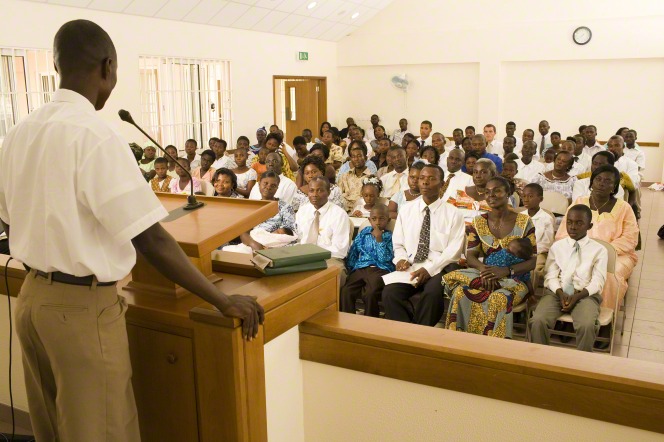
How to Write a Talk

http://media.ldscdn.org/images/media-library/conference-events/general-conference/general-conference-october-2012-1057624-gallery.jpg

Uh oh. The Bishop just asked you to give a talk next week in Sacrament Meeting. From the sound of every Sacrament Talk Ever, this is something most people avoid. You're not a public speaker. Why couldn't the Bishop have asked Brother Smith who has something to say for every question in the Gospel Doctrines class?

Relax. This doesn't have to be a big deal. Almost no one who gives a talk in Sacrament Meeting is an experienced public speaker. I took debate for three years to gain some confidence to speak at church, and I still get nervous. However, as long as you are prepared, the Spirit will fill your mouth and you will touch the hearts of everyone in the congregation.

Step One: Identify your Topic
   This is usually pretty easy because the Bishop just gives it to you. If the Bishop gave you free reign, pray about it. If he gave you a talk to speak on, boil it down to one or two words. Then take some time to meditate on it.

Step Two: Research
    This step should take most of your time. Spend a few hours or days just doing research on your topic.
Scriptures
Church Magazines
LDS.org for basically everything else
True to the Faith is a great resource for simplified definitions of gospel topics.
Preach My Gospel can help a lot too.

Step Three: Write an Outline
    This is just like writing an essay. Remember how you thought, "I've graduated from school. I'll never have to write another essay ever again!" Well, you were sadly mistaken.
     The ward loves to hear your personal experiences, so don't avoid using them because you think you're boring. You are awesome and unique and stuff. Your experiences helped build your testimony, so use them.
     This is my favorite outline. Change up the order or add/delete stuff as needed.

Introduce yourself and your topic
Point One
     -Scripture
     -Quote from a talk
     -Personal experience
Point Two
     -Scripture
     -Quote from a talk
     -Personal experience
Point Three
     -Scripture
     -Quote from a talk
     -Personal experience
Close with Testimony on topic

Step Four: Flesh it Out (optional)
    Some people like to speak from an outline. I do not. I like to write out my essay/talk/oration. The more research you've done, the easier this will be. The better you understand your topic, the simpler you will be in explaining it.

Step Five: Practice on your Cat
     Your cat will judge you far more than the ward will. Practicing will help you get out some of your jitters.
-or-
Step Five: Practice on an Unsuspecting Non-Member Friend
     Why not do some missionary work while you're working on your talk? Practice on a trusted friend who won't be mean, but can give you some constructive criticism.

Step Six: Give a Masterful Talk in Sacrament Meeting that goes Better Than Expected
     Prepare yourself for all of the compliments you will receive from the ward. It's not just an assignment; you have helped them feel spiritually uplifted.
-or-
Step Six: Ignore Your Outline or Pre-Written Talk Entirely as You Follow the Spirit When You Speak
     This happens to me more than I thought it would. It's entirely possible for the Spirit to give your talk for you, but you have to have something prepared and have done some of the work.

Congratulations! That wasn't too painful, was it? As an added bonus, you've learned far more about this particular topic than you ever thought you would. Teaching is one of the best ways to learn about any gospel topic. That's probably why Heavenly Father has us give talks in Sacrament meeting.